
Beginner´s Guide to Kitesurfing: 5 Common Mistakes and How to Avoid Them

Kitesurfing is an exhilarating sport, but it can also be challenging – especially for beginners. In this guide, we’ll explore five of the most common mistakes new kiters make and show you how to avoid them. By understanding these pitfalls, you’ll not only stay safe and protect your gear, but also make your learning journey faster, easier, and way more enjoyable.
Whether you’re planning your first kitesurfing session or already have some experience, this guide will give you practical tips and insider advice to boost your confidence and skills on the water.
Don’t Skip Lessons: Why Learning with a Qualified Instructor Matters
What is the Mistake?
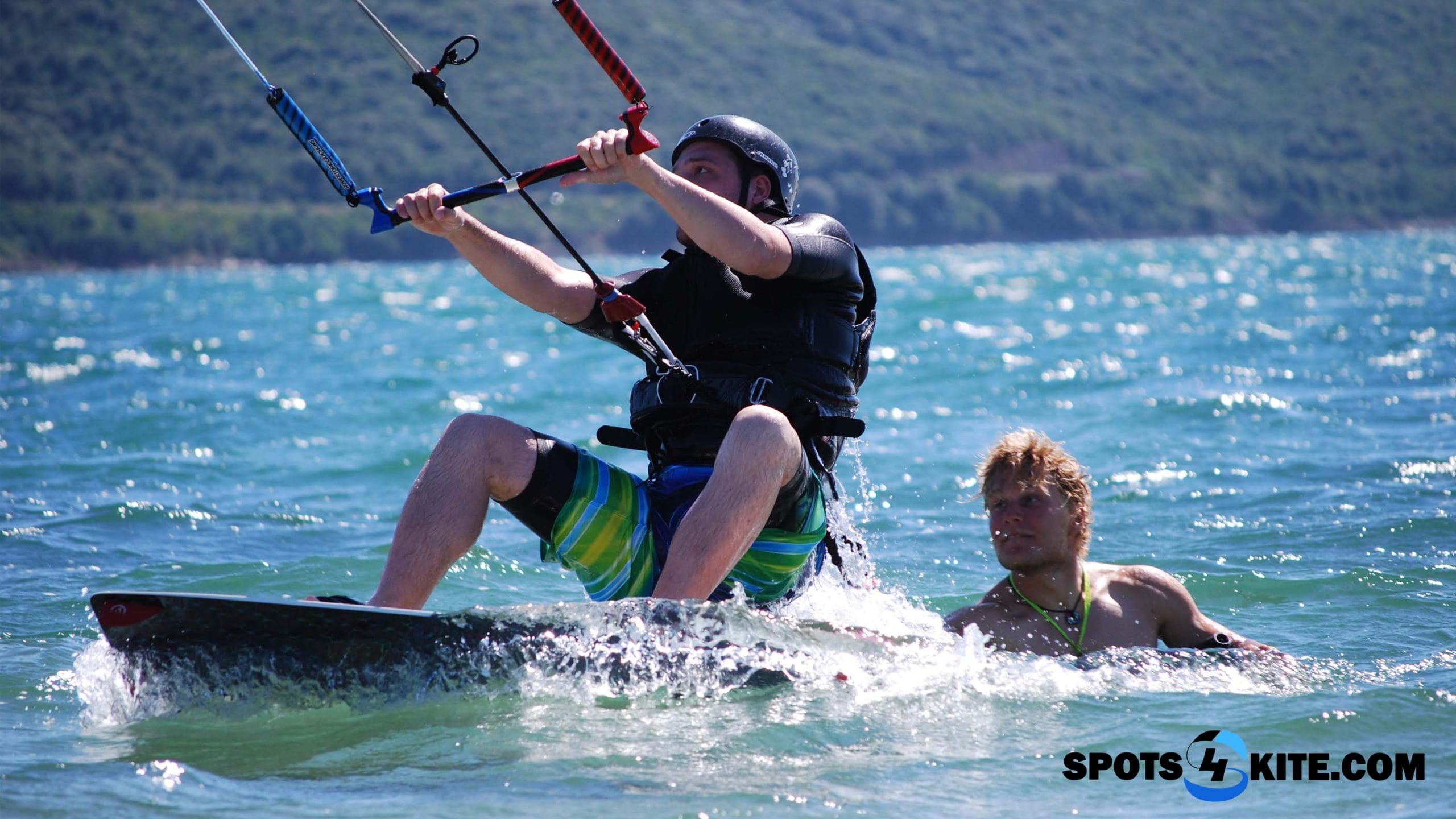
One of the most common and potentially dangerous mistakes that many beginners make is thinking they can skip professional lessons and teach themselves how to kitesurf. It’s easy to see why this idea might seem tempting – you might feel confident because you’re athletic, or you want to save money by avoiding lesson fees. But no matter the reason, underestimating the importance of structured lessons with a qualified instructor can set you up for unnecessary risks and frustrations.
The truth is that while kitesurfing can appear deceptively simple, the reality is that the sport requires precise technique, a deep understanding of the wind and water, and respect for the safety of both yourself and those around you. Trying to teach yourself, especially in your first sessions, often leads to poor habits and potentially dangerous situations that can be hard to correct later.
Why is it Important?
Kitesurfing is more than just a thrilling experience on the water; it’s a sport that demands respect and preparation. A professional instructor is not only there to show you the basics – they’re there to build a strong foundation of safety, awareness, and skill. With an instructor’s guidance, you’ll learn:
- How to control your kite effectively in different wind strengths and directions, so you can avoid accidental power surges or crashes.
- How to launch, land, and relaunch your kite safely – one of the most common times for accidents if not done correctly.
- How to read the weather, wind, and water conditions so you’re always aware of changes that can affect your safety.
- The rules of right of way and how to navigate crowded beaches and water with respect for other kiters, swimmers, and beachgoers.
- How to handle emergencies, like using the quick-release system or performing a self-rescue if needed.
Skipping these structured lessons doesn’t just mean you’ll miss out on these essential techniques – it means you’re exposing yourself (and others) to a much higher risk of injury or equipment damage. Worse still, you’re likely to develop bad habits that can be hard to break later on. By investing in proper lessons at the start, you’re setting yourself up for a safer, more enjoyable, and more confident journey in kitesurfing.
How to Avoid this Mistake – and Practical Tips to Get it Right
So, how can you avoid this mistake and make sure your first kitesurfing experiences are as safe and rewarding as possible? The answer is simple: take lessons with a certified kitesurfing school.
Look for schools that are accredited by recognized organizations like the IKO (International Kiteboarding Organization) or VDWS – these instructors follow global safety standards and have experience teaching absolute beginners. Don’t settle for casual tips from friends or YouTube tutorials alone; while those can be helpful later on, they’re no substitute for hands-on coaching.
When choosing your school, take the time to read reviews and make sure the instructors have experience teaching at your level. It’s also wise to check what equipment they provide, making sure it’s suitable for beginners, well-maintained, and safe to use.
Most instructors recommend taking at least three to five lessons to build a solid foundation – don’t rush it! Remember that even experienced athletes need time to adjust to the unique demands of kitesurfing.
If you haven’t been on the water in a while, consider booking a refresher lesson to rebuild your confidence and avoid rusty habits.
Always communicate openly with your instructor. Let them know if you’re nervous or unsure about any part of the process – they’re there to help you! And don’t feel pressured to jump ahead to advanced moves; mastering the basics is the best way to build skills that last.
A quality kitesurfing course doesn’t just teach you the basics – it also helps you avoid many of the mistakes we’ll talk about later in this article. A good school will highlight these risks, help you understand how to spot them, and teach you how to handle them safely. That way, you’ll be well-prepared and confident when you head out on your own.
Links to More Resources:
For more tips on choosing the best school see our full guide: Beginner’s Guide to Kitesurfing: How to Choose a Quality Kitesurfing School
New to kitesurfing? Start here: Beginner’s Guide to Kitesurfing: Everything You Need to Know Before You Start
Gear Up Right: Choosing the Right Equipment and Maintaining It Properly
What is the Mistake?
One of the biggest hurdles for beginners is picking the right kitesurfing equipment. Many people either choose gear that’s not suited to their size or the wind conditions, or they skimp on equipment maintenance altogether. You might be tempted to buy a used kite or borrow a friend’s old setup to save money, but if the gear isn’t right for you or isn’t properly maintained, it can quickly turn your first sessions into a frustrating or even dangerous experience.
It’s important to understand that kitesurfing gear is highly specialized. A kite that’s too powerful or too small for your weight and the wind conditions can pull you off balance or make it hard to stay upwind. A board that’s too advanced or not the right size will make it much harder to learn the basics. And worn-out or poorly maintained equipment – cracked lines, leaking bladders, or frayed safety systems – can fail when you need it most.
Remember, kitesurfing takes place in an environment that’s constantly changing – strong winds, saltwater, and sun can wear down your gear quickly. That’s why regular maintenance and gear checks should become second nature for every kiter.
Why is it Important?
Using the right equipment and keeping it in top condition isn’t just a matter of performance – it’s essential for your safety and confidence as a beginner. Properly sized and well-maintained gear will help you:
- Learn faster by giving you stability and control in the water
- Stay safe by preventing accidents or unexpected gear failures
- Build confidence by allowing you to focus on the basics instead of constantly battling with your kite or board
Neglecting these aspects means you’re setting yourself up for slow progress and a higher chance of injury.
How to Avoid this Mistake – and Practical Tips to Get it Right
The first step is to choose gear that matches your level, weight, and the typical wind conditions of the spot where you’ll be riding.
For beginners, a delta-shaped kite is often recommended because it’s more stable, easier to launch, and has a more forgiving power delivery. Pair it with a wide twin-tip board – this board makes it easier to learn how to ride upwind and control your balance.
When you’re buying, renting, or borrowing gear, don’t just take what’s available – check that it’s suitable for your level. Ask the dealer or rental shop what they recommend for your weight and skill level.
Make sure the kite and bar are in good condition: look for any wear on the lines, safety leash, and harness attachments. A good dealer or shop should help you with this – don’t be afraid to ask!
When you’re at a new spot, check what locals are using – their setups can give you a good idea of what works best in those specific conditions, especially the kite size that matches the current wind strength.
And don’t cut corners on safety gear – a good helmet, impact vest, and a well-fitting harness can make a huge difference in your comfort and safety.
Maintenance is just as important as selection. After every session, rinse your gear thoroughly with fresh water to wash away salt and sand. Let it dry completely before packing it up to prevent mildew and wear. Inspect your lines, bar, and kite canopy regularly – small cracks or fraying can quickly turn into bigger problems if not addressed. If you’re not sure how to maintain or repair your gear, ask your dealer or a local shop for tips or repairs.

Remember, having the right gear and looking after it isn’t just about performance – it’s about creating the safest and most enjoyable experience possible as you start your kitesurfing journey.
Links to More Resources:
Learn more about the essential gear you’ll need in our guide: Kitesurfing Glossary: A Comprehensive Guide to Essential Kitesurfing Gear
Choose the Right Spot: Why Location Matters in Kitesurfing
What is the Mistake?
Another common mistake many beginners make is underestimating the importance of choosing the right location. Kitesurfing isn’t just about having the right gear – the environment you ride in plays a huge role in your safety and learning experience. Often, beginners are so excited to get on the water that they skip checking local conditions or choose spots that are too challenging or even unsafe. Others might simply head to a beach without realizing it’s not suitable for kitesurfing.
This can lead to dangerous situations that you might not be prepared to handle. Worse still, heading out alone to a remote or unfamiliar location can leave you without help if something goes wrong.
Why is it Important?
Choosing the right location is one of the most critical decisions you’ll make in kitesurfing – and it’s not just about comfort or convenience. The spot you choose directly impacts your safety, your learning curve, and how much you enjoy the experience overall.
A poor choice of location can expose you to serious risks. Hidden obstacles like rocks, reefs, or underwater hazards can damage your gear or cause injury. Strong currents or unpredictable wind conditions can make it hard to control your kite or return to shore safely. Crowded beaches or areas with other water users can increase the chance of collisions and accidents. Even if the conditions look good at first glance, not understanding local hazards or ignoring rules and etiquette can put both you and others at risk.
For beginners, it’s especially important to recognize that kitesurfing isn’t just about your skills – it’s also about how well you read and respect the environment around you.
How to Avoid this Mistake – and Practical Tips to Get it Right
Before you head out, take the time to thoroughly research any spot you plan to ride at. A good kitesurfing location for beginners should offer:
-
Wide, sandy beaches with enough space to launch and land safely
-
Steady side-onshore winds – these are the easiest and safest conditions for beginners because they are more predictable and will always help you get back to the beach
-
Flat water or small chop that makes learning the basics much smoother
- No obstacles such as trees, underwater rocks, or other beach users (like swimmers and sunbathers), which can make launching and riding dangerous
When you arrive at a new spot, observe the conditions carefully:
-
Are there other kiters on the water? If not, consider why – it could be a sign of unsafe or unsuitable conditions.
-
Check the launch area and beach layout: make sure there’s plenty of space to set up and that you’re not launching near obstacles or crowded swimming areas.
- Talk to local kiters about the area. They can help you identify any hidden hazards like rocks, strong currents, or spots where kiting is restricted.

Whenever possible, avoid kiting alone, especially at new or unfamiliar spots. Find a local school or experienced kiter who can give you advice or even join you on the water.
If you can’t find someone to go with you, make sure to let family or friends know where you’ll be riding and how long you plan to be out. That way, if anything unexpected happens, someone will be aware and able to help if needed.
Remember, a quality kitesurfing school will also help you learn how to evaluate different spots and adapt to changing conditions. They’ll show you what to watch for and how to make smart decisions about when and where to kite – essential knowledge that will keep you safe and confident as you progress.
Links to More Resources:
For a detailed guide to choosing the right location, see: Beginner’s Guide to Kitesurfing: How to Choose a Quality Kitesurfing School
Curious about wind and water terms? Check out our glossary: Kitesurfing glossary: Exploring Wind and Water Terms
Understand the Wind and Weather: Mastering the Basics for Safe Kitesurfing
What is the Mistake?
One of the most important aspects of kitesurfing is understanding the wind and weather. Many beginners underestimate how complex wind patterns and water conditions can be, and they either fail to check forecasts or don’t fully understand what to look for. This can lead to choosing the wrong spot or going out in unsafe conditions that put both you and your gear at risk.
Ignoring wind direction, misreading wind strength, or not realizing how quickly weather can change are some of the most common mistakes. These can lead to accidents, loss of control, or even getting stuck far from shore if the wind direction isn’t in your favor.
Why is it Important?
Wind and weather conditions directly affect everything in kitesurfing:
- How much power your kite generates
- How safe and stable your ride is
- Whether you can return to shore easily
Understanding these elements isn’t just about performance – it’s about staying safe and avoiding accidents. For beginners, learning to read the wind and water correctly is essential for building confidence and making the most of your time on the water.
Understanding the wind window is also fundamental. This is the three-dimensional area where your kite can fly, divided into the power zone (where the kite generates maximum pull) and the edges (where there’s less pull). Knowing where the wind window is in relation to the beach and the wind direction is crucial – it determines your positioning and setup when launching and landing the kite safely. Learn to visualize and position your kite correctly within this window to maintain control and maximize your safety.
How to Avoid this Mistake – and Practical Tips to Get it Right
Before heading out, always take time to check a detailed weather forecast. Apps and websites like Windguru, Windy, and Windfinder are great tools for seeing wind direction, strength, and possible gusts.
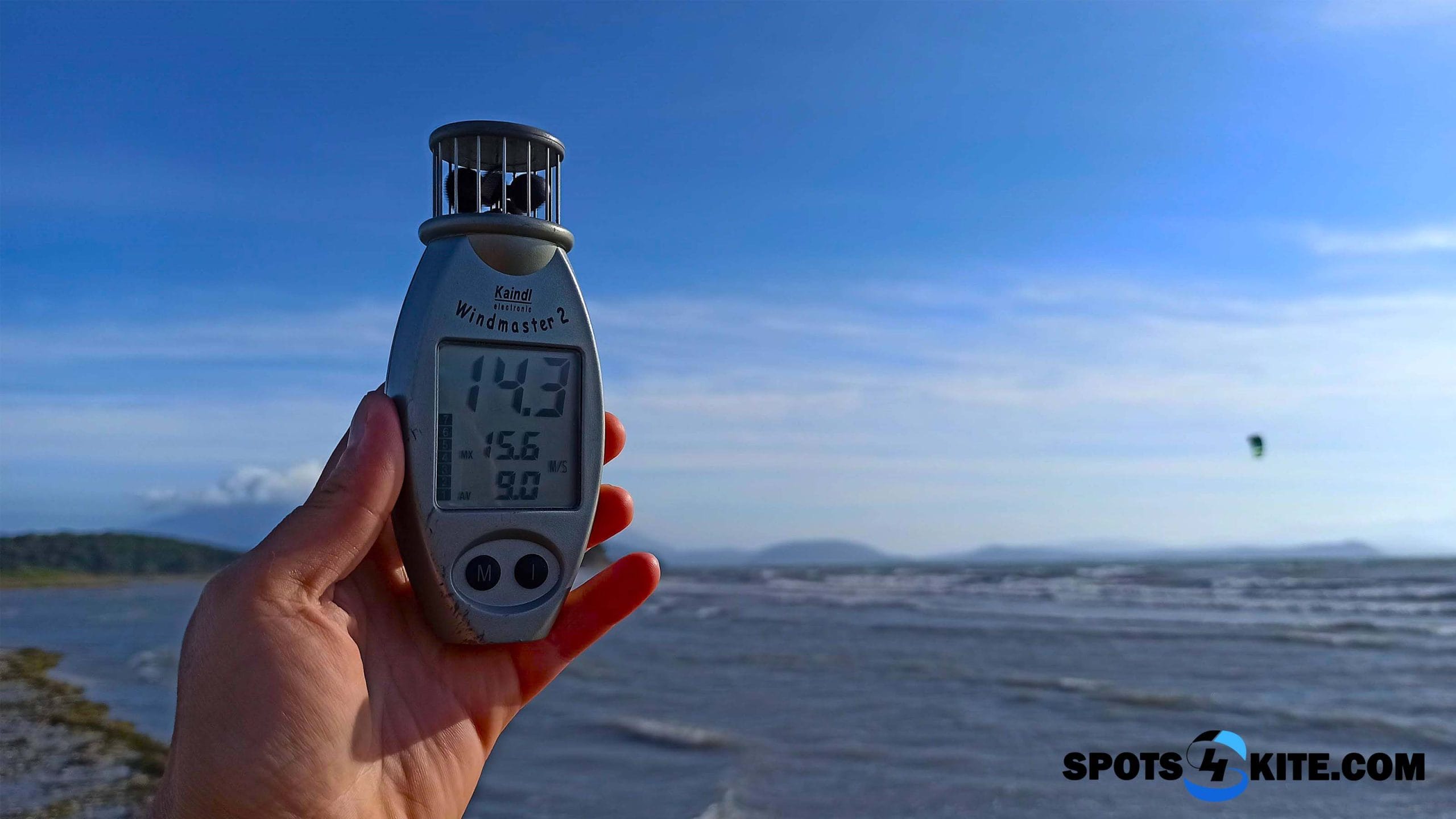
Once you’re at the beach, it’s also smart to measure the wind directly with an anemometer – local wind speeds can sometimes be different from what you saw in the forecast.
Ask other kiters who just finished their session about the wind strength and stability further offshore, as conditions out on the water can be very different from what you feel on the beach.
When evaluating the conditions, focus on these key elements:
- Wind Strength and Stability: Look for steady winds that match your skill level and kite size. Gusty winds are harder to manage and can cause sudden power surges or lulls that make controlling your kite tricky.
- Wind Direction: Side-onshore or onshore winds are the safest for beginners because they help you stay close to the beach. Offshore winds are extremely dangerous as they can carry you out to sea.
- Water: Look for flat water or small chop to make learning easier.
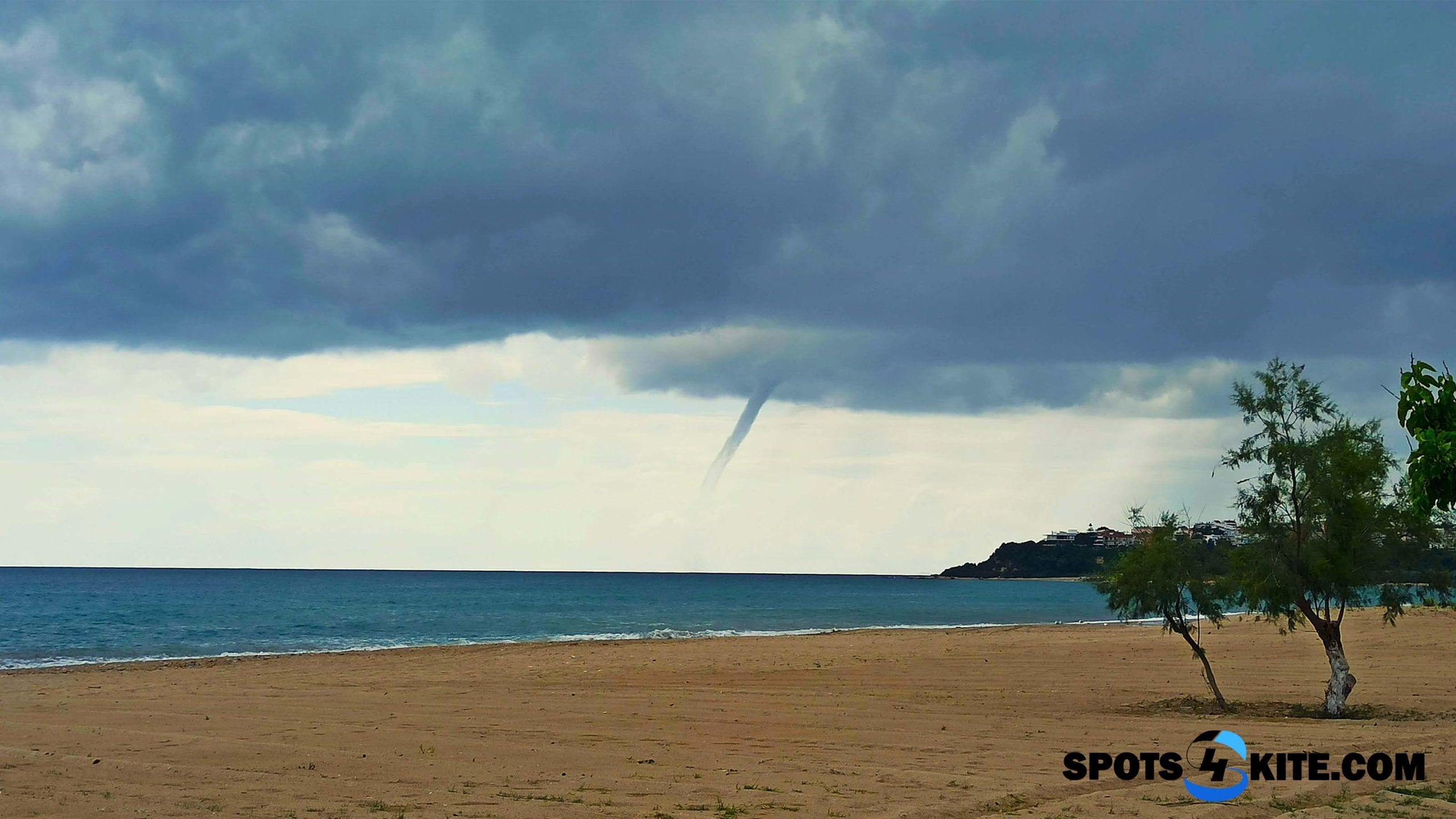
- Avoid going out in stormy weather: sudden storms can bring strong gusts and lightning, creating life-threatening conditions for kitesurfers.
Even if the forecast looks promising, always watch the sky. Sudden dark clouds, shifting winds, or an abrupt drop in temperature can signal a storm approaching. If you see any signs of a storm or rapid changes in wind, get off the water immediately – no session is worth the risk.
A good kitesurfing school will also teach you how to read the wind window, evaluate changing conditions, and adapt to the local weather. These are essential skills that will not only keep you safe but also help you progress confidently.
Links to More Resources:
Curious about wind and weather terminology? Check out our glossary: Kitesurfing glossary: Exploring Wind and Water Terms
Stay Realistic: Avoid Overestimating Your Abilities and Pushing Too Hard
What is the Mistake?
One of the most common mistakes beginners make in kitesurfing is overestimating their own abilities and pushing themselves too hard, too soon. The excitement of a new sport – combined with the pressure to improve quickly or keep up with more experienced kiters – can lead to taking unnecessary risks. Some beginners want to progress as fast as possible, even if it means skipping important safety steps or ignoring their physical and mental limits.
Another factor is the fear of failure – many kiters feel they have to prove themselves or don’t want to admit that they’re tired or not ready for a certain trick or condition. But this mindset can be dangerous and can actually slow down your progress in the long run.
Why is it Important?
Kitesurfing is physically demanding and requires full attention and energy. When you’re tired or stressed, your reactions slow down, and it’s much harder to make safe decisions in dynamic conditions. Trying to ride beyond your actual skill level can lead to accidents, putting you and others in danger.
Respecting your own limits isn’t about giving up – it’s about staying safe, learning steadily, and enjoying the process. In the end, taking breaks and practicing at your own pace will make you a better and more confident rider.

How to Avoid this Mistake – and Practical Tips to Get it Right
-
Listen to your body and mind: If you’re tired, cold, or feeling stressed, it’s better to rest than to force another session. A few minutes of recovery on the beach can do wonders for your focus and safety.
-
Be honest with yourself about your skill level: If you’re still learning basic kite control or water starts, don’t rush into tricks or riding in stronger winds. Mastering the fundamentals first makes everything easier later on.
-
Start small and build gradually: There’s no need to prove yourself or compete with others. Your progress will be faster and safer if you focus on small, steady improvements.
-
Stay humble: Kitesurfing is challenging, and even experienced riders respect the power of the wind and water. Let go of any pressure to perform or keep up with others.
-
Find balance between ambition and patience: Pushing too hard can backfire, but giving yourself permission to take breaks and rest will help you enjoy each session more.
Never be afraid to say “I need a break.” A quick pause to rest, watch others, or simply enjoy the beach can help you recharge and avoid accidents caused by fatigue or frustration.
A good instructor or experienced kiter can also help you recognize when you’re pushing too hard and offer advice on how to progress safely. Be open to feedback and always prioritize safety and control over speed or showing off.
Links to More Resources:
For tips on choosing the right school and learning at your own pace, see: Beginner’s Guide to Kitesurfing: How to Choose a Quality Kitesurfing School
New to kitesurfing? Start here: Beginner’s Guide to Kitesurfing: Everything You Need to Know Before You Start
Conclusion: Build Your Confidence and Ride Smarter
Kitesurfing is all about finding the right balance – between your ambition and patience, your excitement and respect for the wind and water. By understanding these five key mistakes, you’ll be ready to progress faster and more safely, protecting both yourself and your equipment.
Here’s what you’ll take away from this guide:
- Understand the value of professional lessons – Don’t skip structured lessons with a certified instructor. They’re the fastest way to build good habits and keep yourself and others safe on the water.
- Choose the right gear and maintain it – Using the right kite and board for your weight and conditions will make everything easier. Don’t forget: well-maintained equipment is safe equipment.
- Find the perfect spot – Pick a beach with wide sandy areas, steady side-onshore winds, and minimal obstacles. Always check the local rules and talk to other kiters for insider knowledge.
- Learn to read the wind and weather – Don’t just check an app – understand what wind strength, direction, and stability really mean for your session. Recognize signs of sudden changes or storms.
- Stay humble and patient – Don’t let the excitement or pressure to perform push you beyond your real skill level. Progress steadily, listen to your body, and take breaks when needed.
By following these guidelines, you’ll not only avoid the common pitfalls but also build your confidence and truly enjoy every session on the water.
Ready to take the next step?
Check out our follow-up article: Beginner’s Guide to Kitesurfing: 7 Essential Skills You Must Master. This practical guide dives into the key skills every beginner needs – from mastering kite control to perfecting your self-rescue technique. Take your kitesurfing to the next level and build a strong foundation for safe and fun sessions on the water!

Author: Spots4Kite
The team behind Spots4Kite.
