
Beginner’s Guide to Snowkiting: How to Get Started and What You Need to Know

Imagine this – an endless snowy plain, the wind rushing past your ears, and you effortlessly gliding across the landscape without ever having to wait in line for a ski lift. That’s the magic of snowkiting – an exhilarating winter sport that combines skiing or snowboarding with the power of a wind-driven kite.
What Is Snowkiting and Why Should You Try It?
Snowkiting (also known as kite skiing) is a young and thrilling winter sport, similar to its water-based counterpart, kitesurfing.
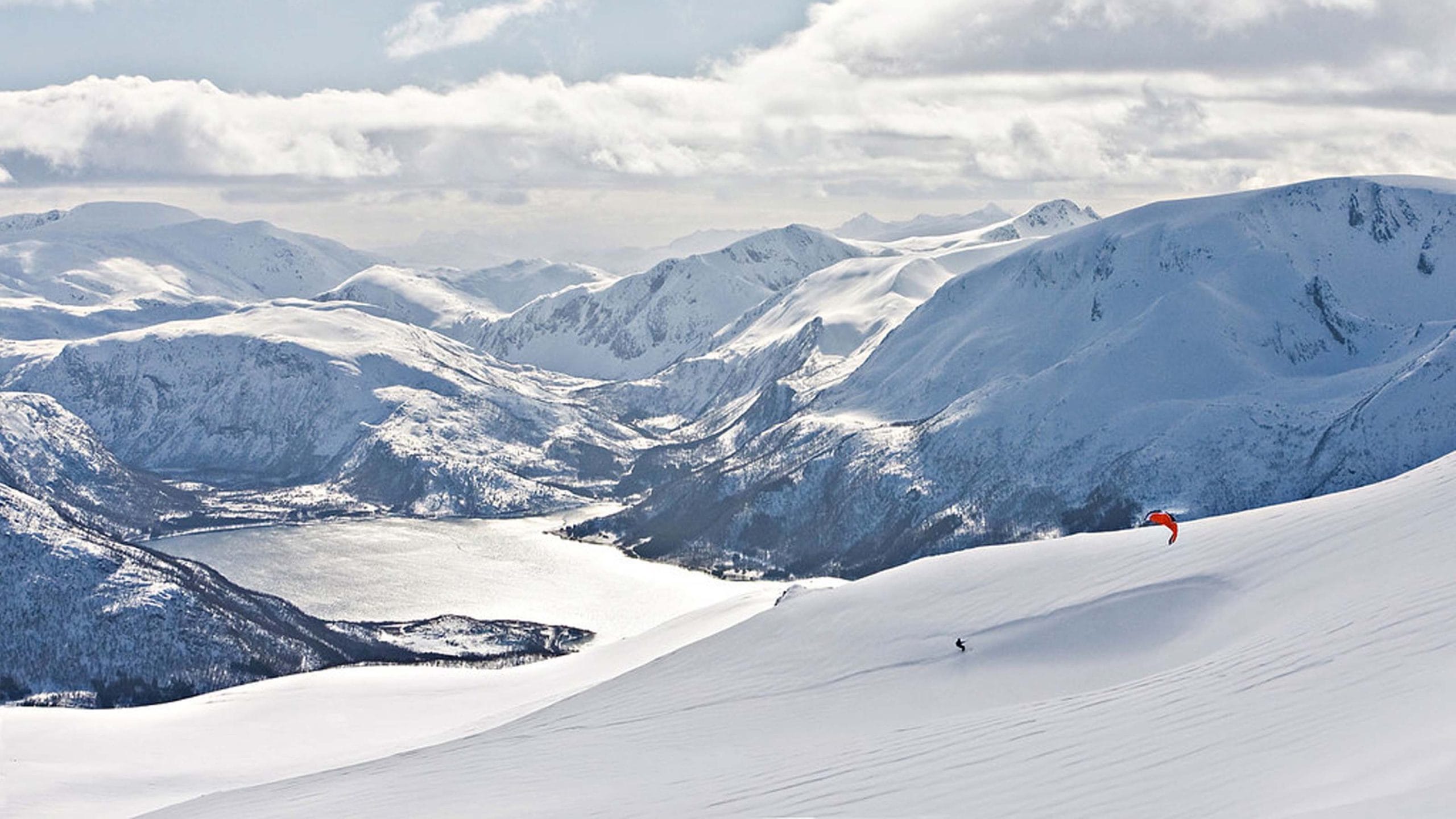
It involves riding on skis or a snowboard while being pulled by a wind-powered kite. Unlike traditional skiing, snowkiting allows you to move in any direction—even uphill! By controlling the kite with a bar, you determine your speed and direction, giving you complete freedom on the snow. No ski lifts, no limits—just you, the wind, and endless open landscapes to explore.
What Equipment Do You Need?
The essential gear for snowkiting includes a kite with a control bar, which provides your propulsion, and a harness, a special belt that connects you to the kite. Unlike skiing or snowboarding, you only need one extra backpack to carry your snowkite gear.
You’ll also need skis or a snowboard, depending on your preference, as well as winter sports clothing, including a helmet and protective gear for safety.
Finally, find a wide, open, snow-covered area without trees, power lines, or other obstacles—and, of course, wait for the wind!
6 Reasons to Try Snowkiting
-
Ultimate freedom – No ski lifts, no queues. Just you and the power of nature.
-
Affordable adrenaline – Compared to expensive ski resorts and lift passes, snowkiting is a more budget-friendly extreme sport.
-
Suitable for all ages – Whether you’re a child, an adult, or an active grandparent, snowkiting is accessible to everyone. It’s never too late to start!
-
Fast learning curve – You can master the basics in just a few hours, and within a few days, you’ll be riding on your own.
-
Safe under supervision – With a qualified instructor (even a one-day course is enough) and later guidance from experienced riders, snowkiting is a safe and controlled sport.
-
Easily accessible – You don’t need to travel to ski resorts—great snowkiting conditions can often be found near your home!
Snowkiting is the perfect mix of adrenaline, freedom, and fun on the snow. Getting started is easier than you think!
Snowkiting vs. Kitesurfing: Which Sport Is Better for Beginners?
Both snowkiting and kitesurfing are adrenaline-packed sports that use a wind-powered kite to propel riders across different surfaces. While they share the same fundamental principles, each sport comes with its own set of challenges and advantages. Let’s explore the key differences between these two exciting disciplines.
Surface: Snow vs. Water
The most obvious difference between snowkiting and kitesurfing is the surface you ride on. Kitesurfing takes place on water, while snowkiting is performed on snow-covered terrain—whether it’s frozen lakes, open mountain plains, or gently rolling hills.
Equipment: Skis/Snowboard + Kite vs. Kiteboard + Kite
Both sports require a kite and a harness, but the rest of the equipment differs significantly.
For kitesurfing, you need a specialized kiteboard, which requires mastering balance and the tricky water start—often the most challenging part for beginners. Learning to launch yourself from the water takes time and practice.
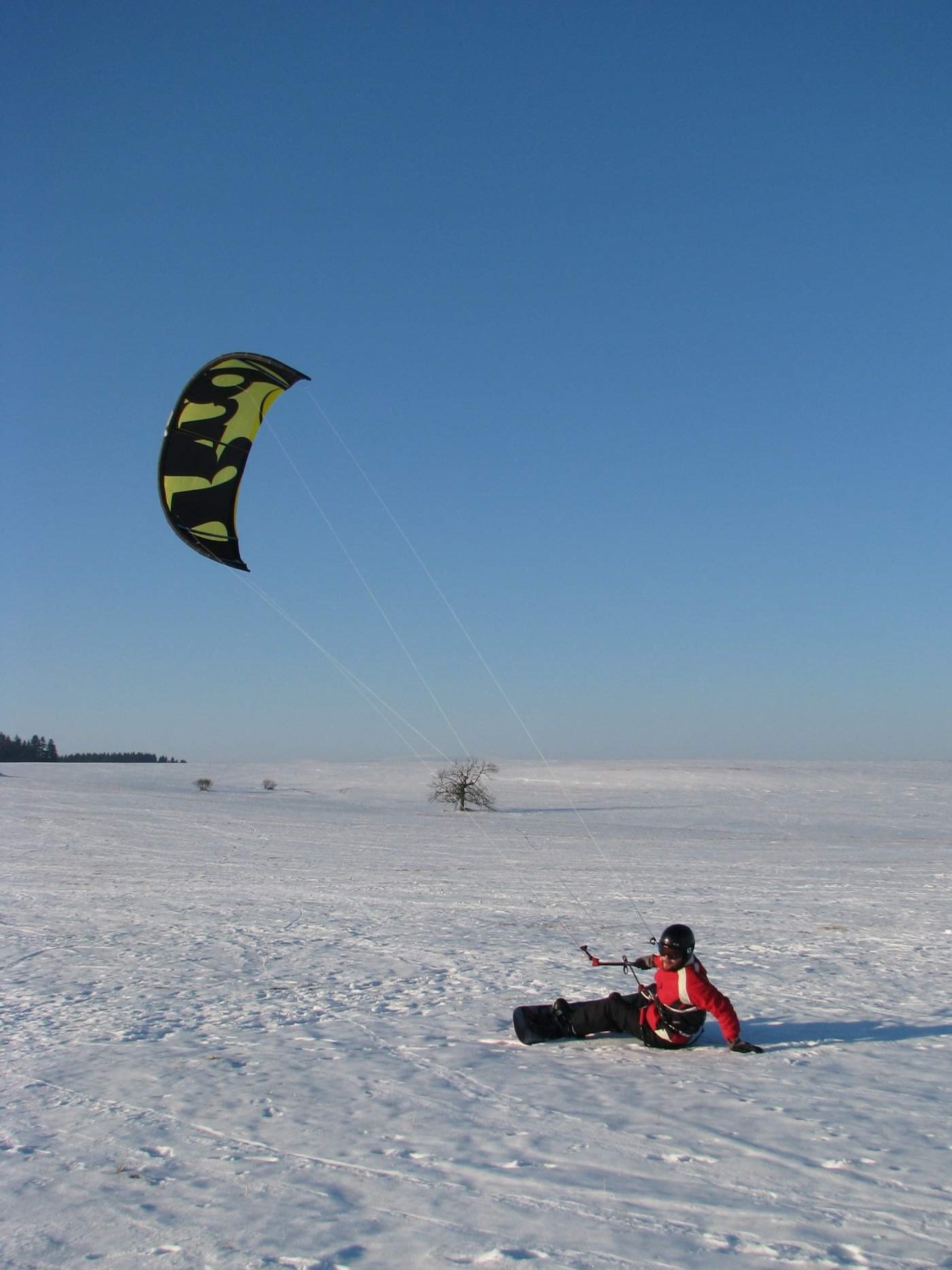
In snowkiting, you have the option to ride with regular skis or a snowboard, depending on your preference. Skis offer better stability and control, making them a great choice for beginners, while a snowboard is ideal for freestyle tricks and a more playful riding style.
Another key difference is clothing. Snowkiters wear standard winter sports gear, including a helmet and protective pads. Kitesurfers, on the other hand, need a wetsuit (or other water-appropriate clothing), a water helmet, and often a buoyancy vest, especially for deep water conditions or beginner riders.
Terrain: Open Snowy Landscapes vs. Ocean/Lake
Kitesurfing takes place exclusively on large bodies of water, whether it’s the ocean or a lake. This means you are dependent on access to water and the right conditions, such as steady wind, a safe entry point, and the absence of strong currents or large waves. Even in locations with ideal wind conditions, kitesurfers often face space limitations due to beach infrastructure—sun loungers, umbrellas, swimmers, and boats. In many areas, water sports are restricted to designated zones, which can further limit your riding options.
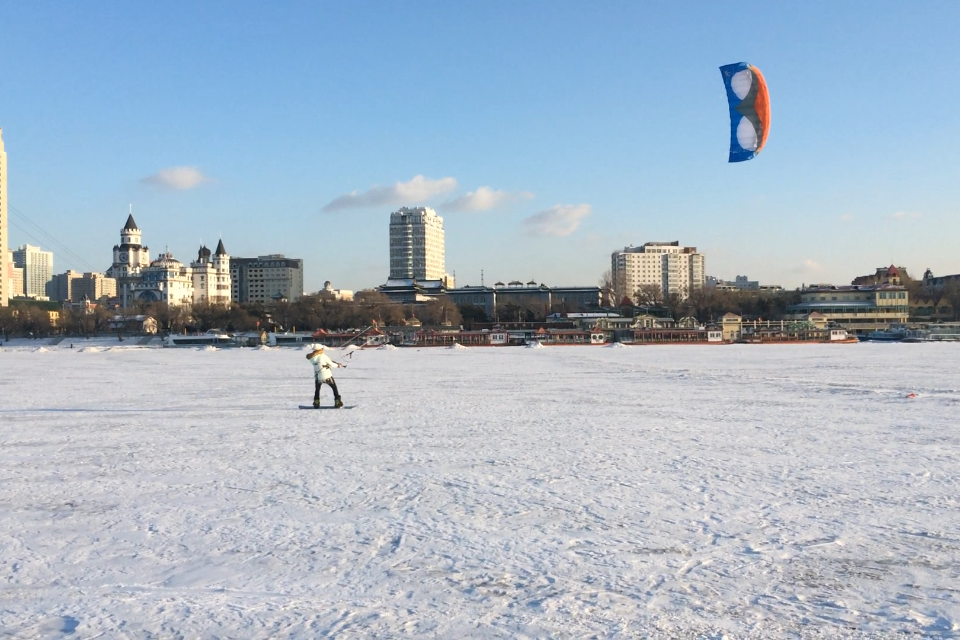
Snowkiting, on the other hand, requires only an open, snow-covered area with good wind conditions, making it much more accessible. You don’t need to travel to the coast or a lake—frozen fields, plains, or even local hills can be perfect spots for snowkiting.
Another key advantage of snowkiting is greater freedom of movement. Unlike kitesurfing, which is limited to horizontal movement on water, snowkiters can ride on flat terrain, frozen lakes, rolling hills, and even uphill—a unique feature that adds an extra dimension of excitement to the sport.
Which Sport Is Easier to Learn? Kitesurfing vs. Snowkiting
When it comes to learning, both kitesurfing and snowkiting start with the same first step—mastering kite control on solid ground. Before you even step onto a board or skis, you’ll practice handling the kite, understanding wind dynamics, and controlling power using the bar. However, once you’re ready to move on, the learning paths for each sport differ significantly.
- Easier first rides in snowkiting – In snowkiting, once you feel comfortable controlling the kite, you simply put on your skis or snowboard and try your first rides. In kitesurfing, however, you must enter the water and learn additional skills, such as body dragging (moving through the water without a board), which is crucial for safety.
- Snowkiting has an easier start, takeoff, and stop – Unlike kitesurfing, snowkiting doesn’t require mastering the water start, which is often the hardest part for beginners. Getting up and riding on snow is much simpler than trying to lift yourself out of the water with a kite.
- Snowkiting requires less wind and handles gusts better – You can start riding on snow with weaker wind, and fluctuations in wind strength are easier to manage on solid ground. (However, extreme gusts and unstable winds are challenging or dangerous in both sports.)
- Snow provides better stability than water – Beginners find it easier to maintain balance on firm snow rather than on constantly moving water, where waves and currents add another layer of difficulty.
- Snowkiting courses lead to independent riding in just a few hours to three days, allowing beginners to confidently control the kite and ride on their own. Kitesurfing courses typically take three to five days to reach a similar level of independence due to the added complexity of handling the board in water.
Overall, snowkiting is considered easier and quicker to learn than kitesurfing, making it a great choice for beginners looking for a fast and exciting way to experience kite-powered riding.
Initial Costs: Which Sport88 Is More Affordable?
One of the key factors when choosing between snowkiting and kitesurfing is the cost of entry. Snowkiting generally requires less specialized equipment and offers a more budget-friendly way to get started compared to kitesurfing. Snowkiting uses equipment you may already own – If you have a pair of skis or a snowboard and winter clothing, you’re already halfway there. The only specialized gear you need to invest in is a kite and a harness. Additionally, buying a second-hand kite can be a cost-effective option, as long as it is in good condition.
Kitesurfing requires more specialized gear – In addition to a kite and harness, kitesurfing requires a dedicated kiteboard with footstraps, which adds to the cost. Unlike snowkiting, buying a used kite is not recommended for kitesurfing, as the water environment is much more demanding. If your equipment malfunctions on the water, getting safely back to shore can be a serious challenge.
Snowkiting spots are more accessible and affordable – Finding a good location for snowkiting is easier than finding a suitable spot for kitesurfing. In winter, you can ride in your local area—on open fields, frozen lakes, or snowy plains. In contrast, kitesurfing often requires traveling to the coast or a large lake, which adds transportation and accommodation costs to your budget.
Snowkiting lessons are generally cheaper – Snowkiting requires less time to master the basics, so lesson costs are usually lower compared to kitesurfing. The ability to learn and practice close to home also makes it more affordable.
If you’re looking for a cheaper and easier way to get into kiting, snowkiting is the perfect choice. It allows you to experience the thrill of kite-powered riding with lower costs, faster progress, and more accessible locations.
How to Get Started with Snowkiting
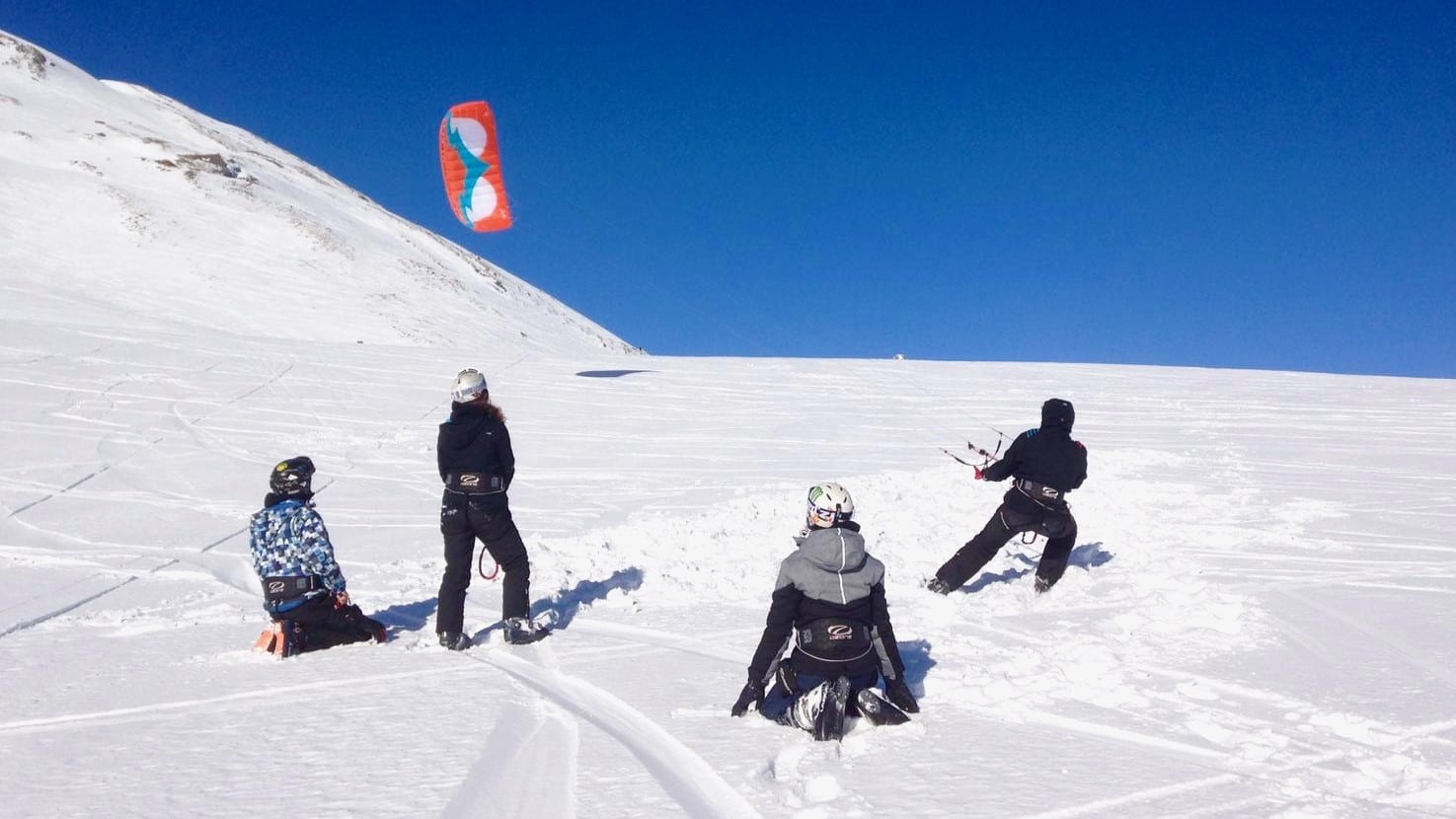
The best way to start snowkiting is by taking a lesson with a certified instructor. A professional course will provide you with the necessary knowledge, proper technique, and access to all the required equipment. This ensures your first experience is safe, enjoyable, and efficient.
If you try to learn on your own, you might misjudge the conditions, struggle with controlling the kite, or even put yourself at risk of injury. A good instructor will make sure you only train in safe conditions, teach you how to handle the kite properly, and guide you through all essential safety procedures.
With an experienced instructor, you can grasp the basics in just a few hours—a one-day snowkiting course is often enough to get you riding. After learning the fundamentals, practicing with experienced friends or within a snowkiting community is a great way to continue improving your skills while having fun on the snow!
What Equipment Do You Need for Snowkiting?
Snowkiting requires a few key pieces of equipment. Let’s take a closer look at what you need and which gear is best suited for beginners.
Kite
The most important part of snowkiting gear is the kite, which harnesses the power of the wind to pull the rider across the snow. There are two main types of kites—foil kites and inflatable kites—each with its own advantages and disadvantages.
- Foil kites automatically fill with air upon launch, eliminating the need for a pump. Their internal cells filled with air help maintain the kite’s shape. Foil kites are the most common choice for snowkiting because they are lighter, more compact, and easier to launch—even in lighter winds. They also generate better pull at lower wind speeds, making them ideal for riding on snow.
- Inflatable kites, often used in kitesurfing, are also an option for snowkiting. These kites have a rigid, inflatable structure, which provides a more stable shape in the air. However, they require a pump for inflation, and you’ll need to store the pump somewhere before riding.
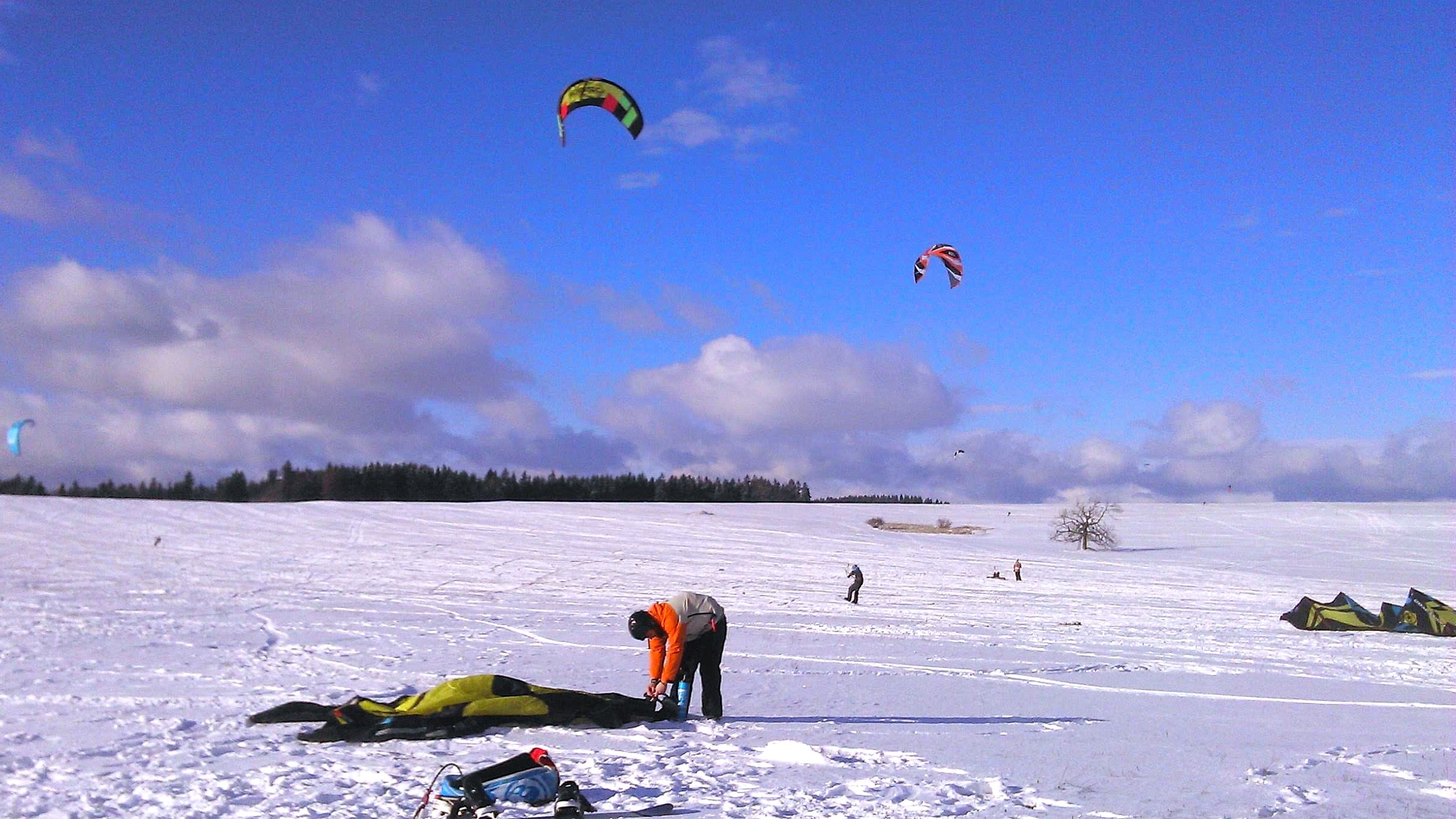
For a detailed guide on different kite types, their advantages and disadvantages, and how to choose the right size, check out our in-depth kite equipment guide.
Harness
The harness is another essential piece of gear, as it transfers the wind’s force from the kite to the rider’s body. There are two main types of harnesses: seat harnesses and waist harnesses, each with unique characteristics.
- Seat harness – Ideal for beginners, women, children, and smaller riders, the seat harness features leg straps that keep it securely in place. This design reduces pressure on the lower back and prevents the harness from riding up when the kite pulls hard. The added support makes it more comfortable for long rides, which is why both kitesurfers and snowkiters appreciate its design.
- Waist harness – More popular among advanced riders and freestyle enthusiasts, the waist harness offers greater flexibility for movement and better kite control during aggressive riding styles. However, it requires stronger core muscles since it places more strain on the lower back. On the plus side, its wide back panel provides extra protection against impacts, which can be harsher on snow than on water.
Skis or Snowboard
One of the great advantages of snowkiting is that you can choose between skis or a snowboard based on your personal preference or experience.
Snowboarding offers a similar feel to kitesurfing or riding powder in off-piste terrain. It allows for smooth turns and is great for freestyle tricks and jumps. However, starting and stopping require more technique, and balancing on one edge can be challenging for beginners.
Skiing is generally easier for beginners. It provides more stability, better control, and makes it easier to start and stop. Skis are also better suited for riding uphill, which is one of snowkiting’s unique advantages.
If you’re already a competent skier, transitioning to snowkiting will be much easier. Likewise, if you have snowboarding experience, using a snowboard for snowkiting will likely feel more natural.

While you can use a regular snowboard for snowkiting, there are also specially designed snowkiting snowboards that offer better performance. These boards are typically longer for improved stability and have a softer flex to absorb shocks on uneven terrain. Another key difference is the shape of the rear edge, which is often more rounded or asymmetrical to allow easier switch riding and better control when maneuvering with the kite. If you plan to focus on snowkiting long-term, investing in a specialized board can enhance your experience and improve your riding efficiency.
Safety Gear
Safety is crucial in snowkiting, as the sport involves wind power, speed, and varied terrain conditions. To minimize risks, you should wear protective gear, just as you would in other winter sports.
- Helmet – Protects your head from impacts with ice or hard snow. A lightweight, well-ventilated helmet is best, ideally one that pairs well with ski goggles.
- Ski goggles – An essential for eye protection, shielding against wind, snow, and bright reflections.
- Back protector – Reduces the risk of spinal injuries from falls or impacts. Beginners may also benefit from knee pads, depending on the terrain and conditions.
- A crucial aspect of safety in snowkiting is the kite’s safety system. Every modern kite should have a quick-release system that allows the rider to instantly depower or completely disconnect from the kite in an emergency. Always check that these safety mechanisms are functioning properly before every ride.
How to Choose the Right Terrain for Snowkiting
The ideal terrain for snowkiting is open, flat, snow-covered land free from obstacles. Look for fields, meadows, or pastures where there is ample space for safe kite control. Here are the key factors to consider when selecting the right terrain.
- Sufficient Snow and Solid Ground: The most important aspect is having enough snow with a solid underlying surface, such as frozen or compact snow. This ensures that you won’t damage your skis or snowboard by coming into contact with hard ground (such as dirt or rocks).
- Open Space without Obstacles: For safety, the terrain should be free from any obstacles like trees, buildings, power poles, or other structures. Ideally, you should have at least 100 meters of clear space in all directions around you. This provides enough room for a safe kite launching, ride, and stop, which is essential to minimize the risk of collisions.
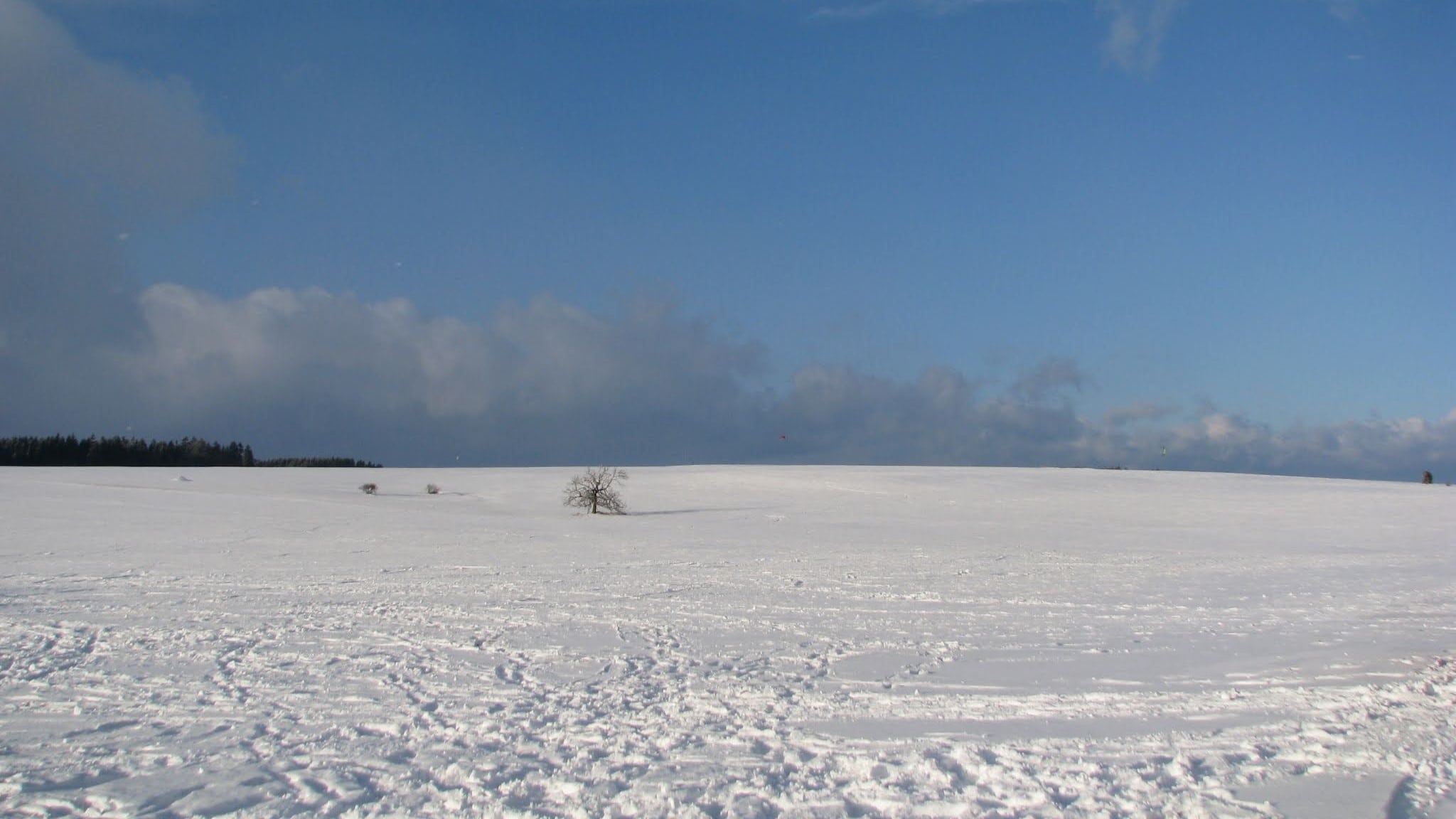
- Suitable Elevation: Elevation affects both snow conditions and weather. In low-lying areas, you may find snow, but it might not be sufficient, while high-altitude locations can have rapidly changing weather conditions, posing potential risks. Strong wind gusts, fog, or quick weather changes can be hazardous. It’s important to select a location with stable weather conditions that are ideal for snowkiting.
- Accessibility and Parking: The location should also have easy access by car, ideally with parking available nearby. It’s not ideal if you need to hike several kilometers or traverse difficult terrain just to reach the spot where you can start kiting. Easy access is crucial for both convenience and safety, especially when carrying gear.

- Land Ownership and Protected Areas: Before heading out, make sure the area is legally accessible. Check if the land is private property or located within protected zones such as national parks or nature reserves. These areas may have specific rules or restrictions that you should respect.
Choosing the right terrain is key to having a safe and enjoyable snowkiting experience. By considering all these factors, you can ensure that you’ll have the best conditions for fun and safety.
Common Beginner Mistakes in Snowkiting and How to Avoid Them
Snowkiting is an adrenaline-filled winter outdoor sport where you may be surprised or betrayed by your equipment, skills, or the weather. However, if practiced with caution and respect for important safety rules, it is a safe sport.
It is definitely recommended to choose an appropriate course for complete beginners. In the course, you will learn the techniques of kite control, the risks of weather, and all safety principles. For further rides and improving your skills, it’s good to ride with an experienced friend or in a group. It’s important to have someone with you who can help or advise you at the beginning, and later at least someone who will watch over you.
Here are the most common beginner mistakes and tips on how to avoid them:
- Underestimating Conditions and Kite Selection: One of the most common mistakes is misjudging the weather and wind strength, which leads to choosing an unsuitable kite. For example, too strong or gusty wind can complicate control of the kite and increase the risk of accidents. In a course, they will advise you on the optimal kite for your weight and wind strength. Always check the current conditions before starting – find out the wind strength and the prevailing weather. Avoid riding in fog, strong winds, or gusts, as these conditions can be very dangerous, especially for beginners.
- Underestimating and Not Knowing the Terrain: Another common mistake is insufficiently assessing the terrain, which includes not only the place itself but also its surroundings. Without a sufficient distance from obstacles (at least 100 m), you may find yourself in dangerous situations. Always check the terrain before riding – ensure that it is open enough and does not contain obstacles like trees, buildings, or other hindrances. Be cautious near hills and forests, as the wind in these areas can be different and unpredictable. Be extra cautious on icy surfaces, as falling can be painful and injuries can be serious.
- Improper Kite Handling During Launch: Beginners often make mistakes during kite launching and landing, which is the riskiest phase of snowkiting (and kitesurfing). Improper handling can lead to a fall or injury, especially when you have the kite overhead while putting on your skis or snowboard. Taking part in a course will allow you to learn proper techniques for launching and landing. The instructor will also teach you how to handle the kite properly while getting into your bindings and how to prepare safely for the ride.
- Lack of an Experienced Partner or Supervision: Beginners often go into the terrain alone, which can be dangerous as they don’t have an experienced partner to give advice or help in case of need. It’s a good idea to start in a course, but after that, it’s recommended to ride with an experienced friend or in a group. Always have someone who watches over you, especially if you’re just starting. Safety supervision is very important to minimize risks.

By following these principles and carefully choosing the conditions for snowkiting, you will avoid these common mistakes and be able to enjoy the sport safely.
Summary and Motivation for Your First Snowkiting Experience
Snowkiting is an exciting winter sport that is surprisingly accessible and, compared to kitesurfing, easier to learn. With snowkiting, you have solid ground beneath your feet, which makes the first attempts significantly easier. This allows you to focus primarily on controlling the kite and working with the wind. Unlike other winter sports, snowkiting does not require special infrastructure such as ski lifts, gondolas, or groomed slopes—you only need a snowy landscape and enough wind.
The best way to start snowkiting is to not be afraid and simply give it a try! We highly recommend taking your first lessons under the supervision of an experienced instructor, who will help you master the correct techniques and essential safety principles. After just a few hours of training, you’ll be able to move independently across the snow with the kite above your head and enjoy an unforgettable experience.
If you love winter, skiing, or snowboarding but want to try something new, snowkiting is the perfect choice. It combines the freedom of movement, adrenaline, and the beauty of the winter landscape. You can enjoy long rides across snowy plains, learn jumps, or even climb hills without the need for a ski lift. Snowkiting offers a fantastic blend of sport and adventure that will appeal to both recreational riders and those seeking a true adrenaline rush.
Another Way – Documentary Movie About Snowkiting
“Another Way is the most ambitious movie ever made about snowkiting. The idea of the documentary is to follow this “other way” and to show to the general public that there is another way to approach the mountain. We, by definition, search for untouched spots off the beaten track. Our kites allow us to move rapidly over a large part of the mountains, going down or up. With good wind conditions, we can climb slopes of more than 40 degrees, and once at the top we can go back down either ski with the kite if we want to be fast before climbing again, ski back down with the kites in our backpacks for more freedom of movement, or just by flying!”


Author: Spots4Kite
The team behind Spots4Kite.
