
Beginner’s Guide to Kitesurfing: Everything You Need to Know Before You Start

Kitesurfing or kiteboarding is a relatively young, dynamic, and exciting water sport that continues to attract enthusiasts from around the world. While it may seem like a sport requiring significant skills and physical strength, kitesurfing is surprisingly accessible to a wide range of people. In this article, you will find answers to the most common questions people have when deciding whether to try this sport. Read our guide to kitesurfing to learn everything you need to know about kitesurfing to start without fear.
We also have another important article that will help you choose the right school for kitesurfing if you decide to start this great sport but don’t know how and with whom to learn everything.
Is kitesurfing dangerous?
Keep in mind that kitesurfing is an outdoor sport where you deal with two elements at once: water and wind. At the same time, you are tethered to a traction kite, which you must control unconditionally.
Accidents and hazards can occur due to many factors, such as strong wind, equipment failure, or collisions with obstacles and other kiteboarders. Like any adrenaline sport, kitesurfing can be dangerous if not practiced with caution, proper training, suitable conditions, and functional equipment.
Thus, kitesurfing has its risks, but it can be operated safely. Thanks to modern equipment with various safety features, it is much safer today than in the past.
Do I need to be strong to kitesurf?
You don’t need extraordinary physical strength for kitesurfing because the sport requires more skill in controlling the kite and the right technique than brute strength. Being an active athlete isn’t also necessary. It is important to be in good physical condition and able to swim.
Is kitesurfing difficult?
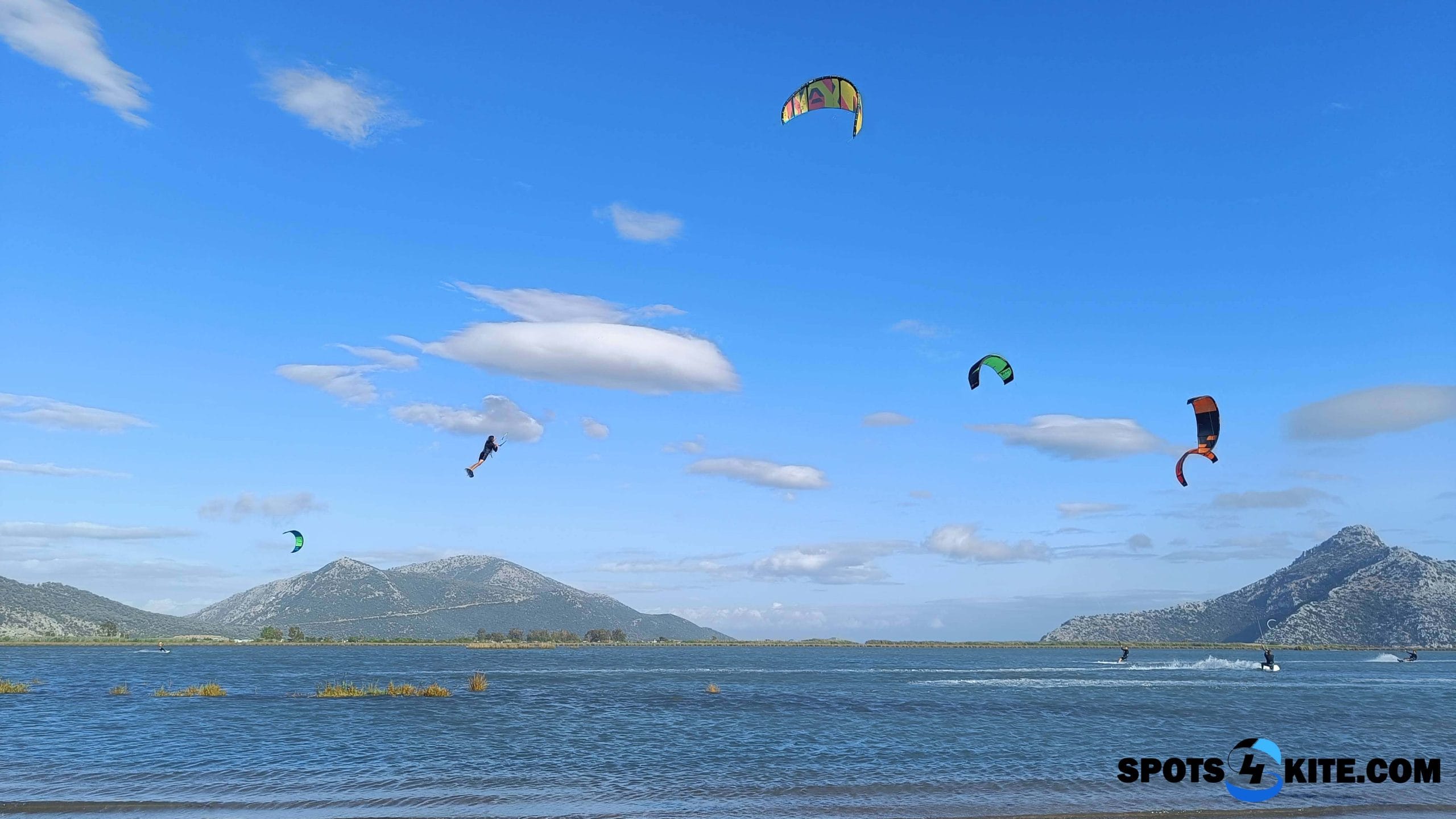
Kitesurfing may seem challenging at first, especially due to the need for coordination between controlling the kite and managing your board. However, with the right instruction and some practice, it’s a sport that many people can learn relatively quickly. The key is understanding the basics of kite manipulation and building confidence gradually.
Do I need kiteboarding lessons?
Although kitesurfing is an individual sport in terms of controlling the kite and riding on the water, it is difficult to learn on your own.
The greatest dangers in kitesurfing lie in the mistakes of riders, which can occur at any moment. Even the very start of the kite, getting it above your head, is a very risky moment. If you want to avoid mistakes as much as possible, it is good to take a course and be under the supervision of professional instructors.
Benefits of a kitesurfing course
- Saves you time, as everything goes faster under the supervision of an experienced instructor than by trial and error
- Saves you money, although you have to pay for the course, it is much cheaper than buying your own equipment to find out if you like this spor
- You learn a lot of theoretical knowledge in a short time, based on which you adopt the right habits and techniques
- Ensures your safety and protects your health
How long does it take to learn kitesurfing?
The learning time varies greatly and depends on your personal approach, the type of lesson, the instructor’s approach, and also the local conditions. Generally, however, you can expect to learn the basics of kitesurfing within a few days.
Kitesurfing schools offer basic courses that usually last 9-12 hours and are divided into three to four training days. Under ideal conditions, this time is enough for you to successfully master the theory and basics of kite control, starting from the water, and the first few meters of riding.
After completing a well-chosen course, you should reach a level that allows you to continue training independently.
Am I too old to learn kitesurfing?
There is no age limit in kitesurfing. You are never too old to learn to kitesurf. Many instructors would confirm that they have met students older than 60 years. What really matters is your physical condition.
You can watch a nice video below showing that you are never too old.

What if a child wants to start kitesurfing?
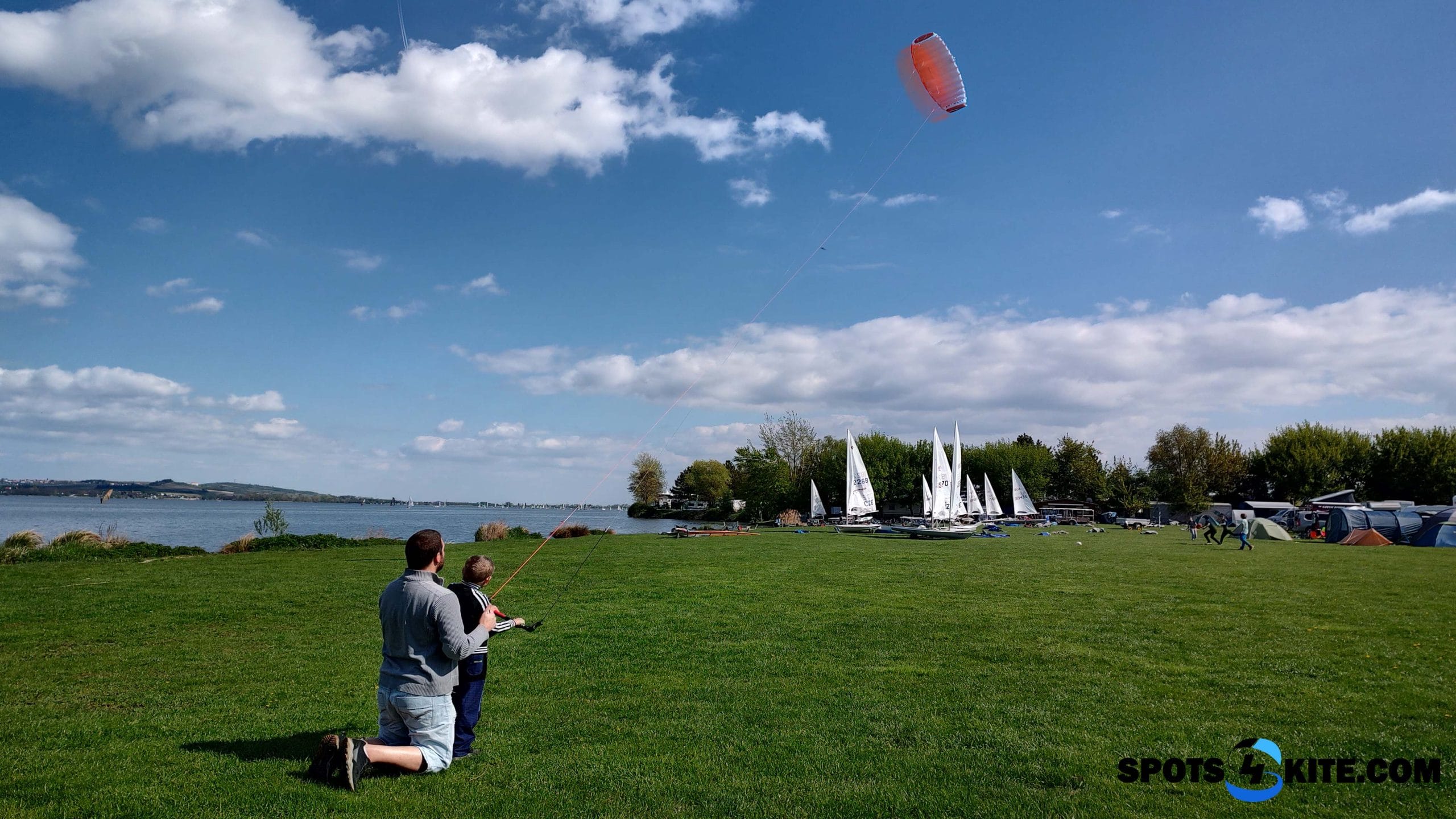
Generally, children can start kitesurfing around 9 years old. But even for children, age is not the deciding factor. Much more important is their physical constitution and maturity. Typically, 30 kg (65 pounds) is stated as the minimum weight at which a child can start kitesurfing. With training kites on land, they can start a bit earlier.
Modern kitesurfing equipment is also manufactured in children’s sizes, which is comfortable for children and includes all the safety features as for adults.
It is crucial for a child to be able to swim, not be afraid of water, and be independent. It is definitely good for parents to consider their child’s mental maturity as well. Thanks to modern equipment, kitesurfing is safe for children today, but mastering all the theoretical rules and proper habits requires a certain maturity and ability to take instructions from an instructor.
Is kitesurfing an expensive sport?
Another of the many questions people ask when deciding whether to start kitesurfing is, of course, the financial aspect.
The first cost is usually kitesurfing lessons, which are around $100 per hour. Usually, a kite course is set up as a package that includes a certain number of hours, rental equipment, insurance, and other costs, so the prices of individual courses can vary greatly, and the price for the whole course is usually $400 – $600. As we’ve already mentioned above, this investment pays off.

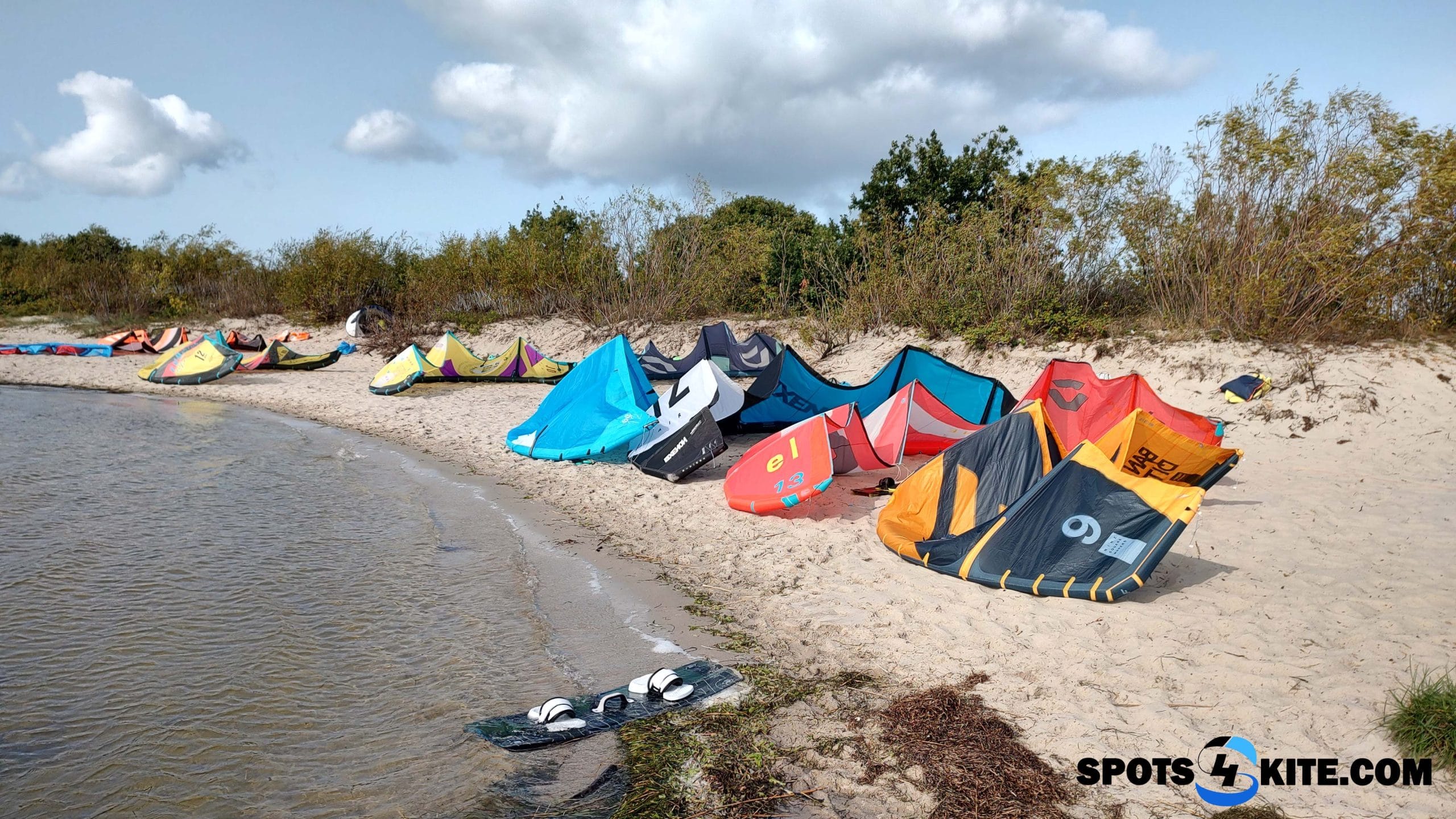
If you are thrilled by kitesurfing, the biggest item is the price for the equipment itself. The basic kitesurfing equipment, which you cannot do without, includes a kite, bar, lines, harness with safety leash, and board with footstraps. The initial costs are high in this sport, and a new complete setup with one kite can cost you between $2300 and $3300, depending on the brand and quality of the items purchased.
Even for beginners, it is better to own multiple kites for different wind conditions. The sizes of the kites are measured in square meters and represent the surface area of the parachute itself, which the wind presses against. The larger the area, the more power it can harness. In stronger winds, a smaller kite is sufficient to harness the same amount of power. Conversely, in light wind with a small kite, you will not ride because you will not achieve the necessary power. This is also one of the major safety risks for beginning kiters, who own only one size of kite and overestimate their abilities and underestimate the strength of the wind.
One way to reduce costs on kitesurfing is by purchasing used equipment. Many experienced kitesurfers sell their old equipment at a discount, and buying used equipment can save a significant amount of money. However, before purchasing, it is important to ensure that the equipment is in good condition and has been properly maintained.
The budget also includes items for suitable water clothing or wetsuits (depending on climatic conditions) and other necessary safety accessories such as helmets and vests.
Kitesurfing cannot be practiced just anywhere. If you do not own a villa on the beach in a kitesurfing paradise, you must also consider the costs of travel.
Conclusion
In conclusion, kitesurfing offers a unique combination of adrenaline fun, physical activity, and interaction with nature. Whether you are passionate adrenaline junkies, looking for an unconventional sporting activity, or just want to try something new and exciting, kitesurfing is a great choice. We hope the answers to the most common questions have provided you with the necessary information and motivation to try this fascinating sport. Remember, with proper training, equipment, and respect for safety, you can experience endless hours of fun on the water. So why not give it a try?
Of course, if you’re unsure about any aspects or feel something is missing in the post, feel free to ask us in the comments below, and we will gladly answer.

Author: Spots4Kite
The team behind Spots4Kite.
